The 16th century Danish nobleman Tycho Brahe (1546 – 1601) was a Renaissance polymath who was able to indulge his favorite pursuits with his great wealth— a sort of 16th century Elon Musk. The recent discovery of alchemical glassware in Tycho’s laboratory on the Danish island of Ven (a.k.a. Hven) illustrates his passion for all types of knowledge, but it is as an astronomer — the greatest before the invention of the telescope— that he is best known.
Tycho lived at a time when the dominant geocentric theory of the solar system — the idea that the sun and other planets orbit the Earth — was being challenged by the heliocentric theory of Nicholas Copernicus, and Tycho’s precise observations of the apparent movements of Mars were used by Johannes Kepler to confirm the heliocentric theory and to establish the laws of planetary motion. Tycho appears as a central character in Kepler’s Somnium, as the mentor in contemporary sciences to the protagonist Duracotus. Kepler was a correspondent of Tycho’s and for a few years his assistant at the court of the Holy Roman Emperor in Prague:
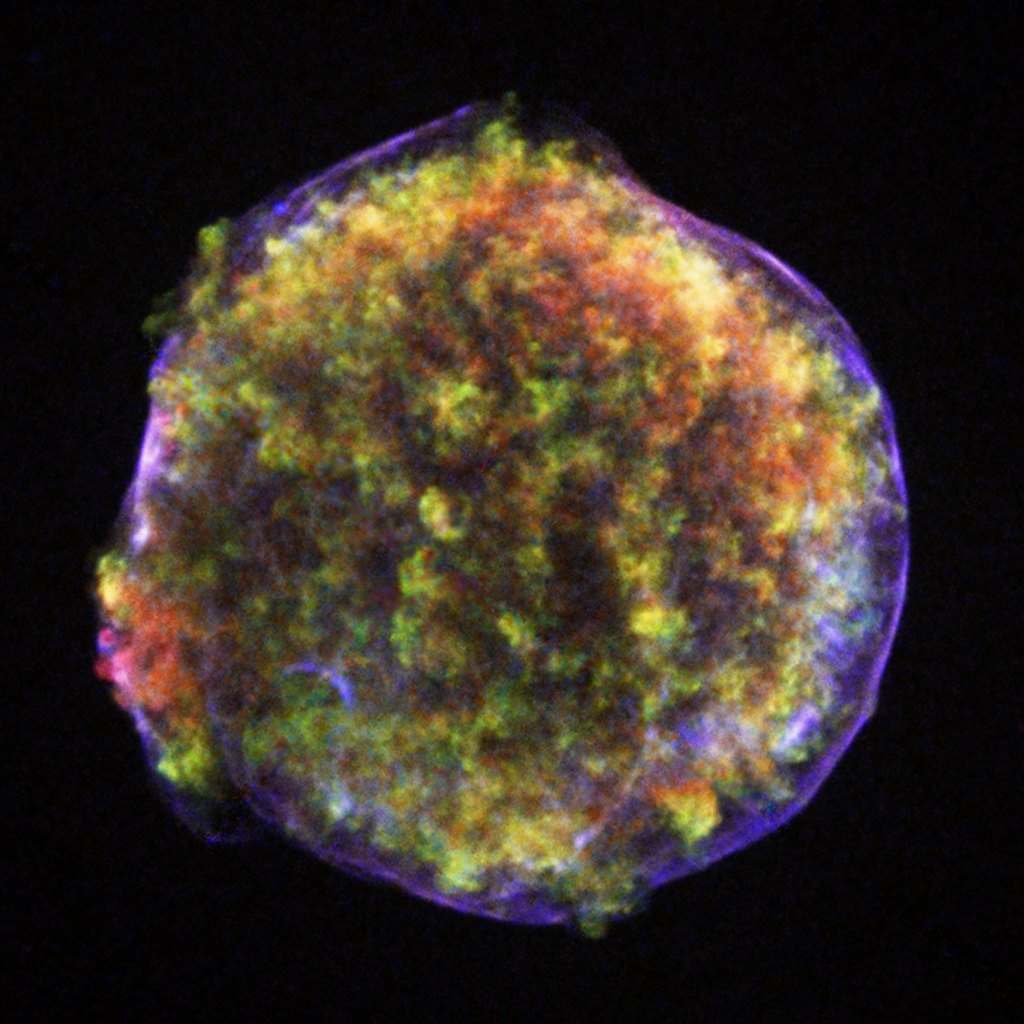
Tycho was born into an aristocratic Danish family, but he was abducted at two-years-old by a rich and childless uncle who established the boy as his heir. Tycho’s parents protested, but eventually gave in to their powerful relative; and the wealth he inherited allowed Tycho to indulge his scientific interests. In 1572 he observed a “new star” —a supernova now identified as B Cassiopeiae — which inspired him to accurately map the heavens.
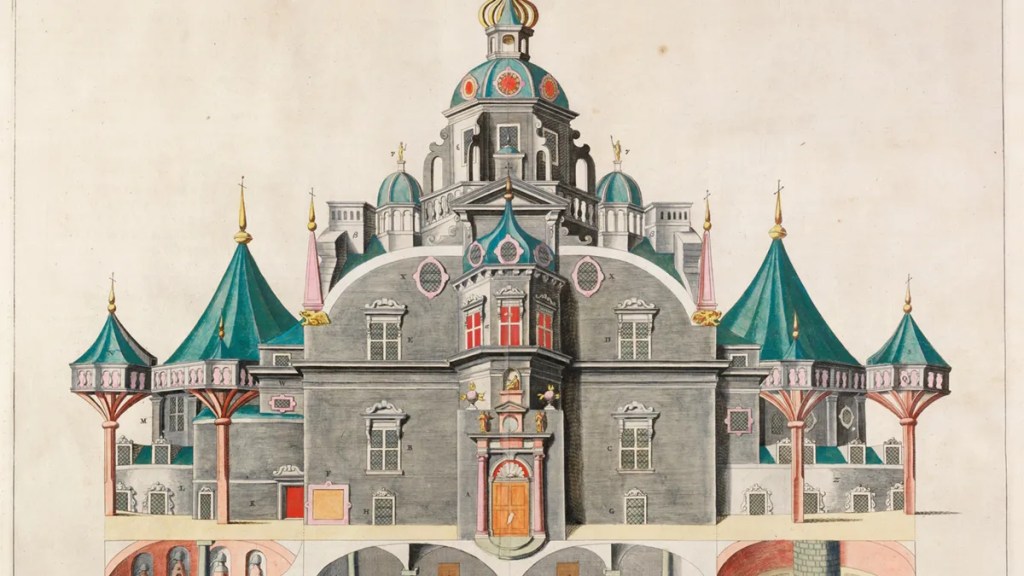
When a Danish king gave Tycho the island of Ven (then spelled Hven) as his fief and large sums of money, Tycho built two astronomical observatories there — the first called Uraniborg, and later an underground facility called Stjerneborg, which was immune to the winds that had plagued Uraniborg. His meticulous research on Ven developed astronomy into the first modern science and helped launch a wider scientific revolution. Tycho also famously fought a duel while at university in Germany that resulted in part of his nose being cut-off, and so he wore a prosthetic nose for the rest of his life.
Tycho’s preferred model of the solar system was his geo-heliocentric model, which had the earth at the center and orbited by the sun, while the other planets orbited the sun; it was a compromise between the established geocentric theory and the new heliocentric theory.
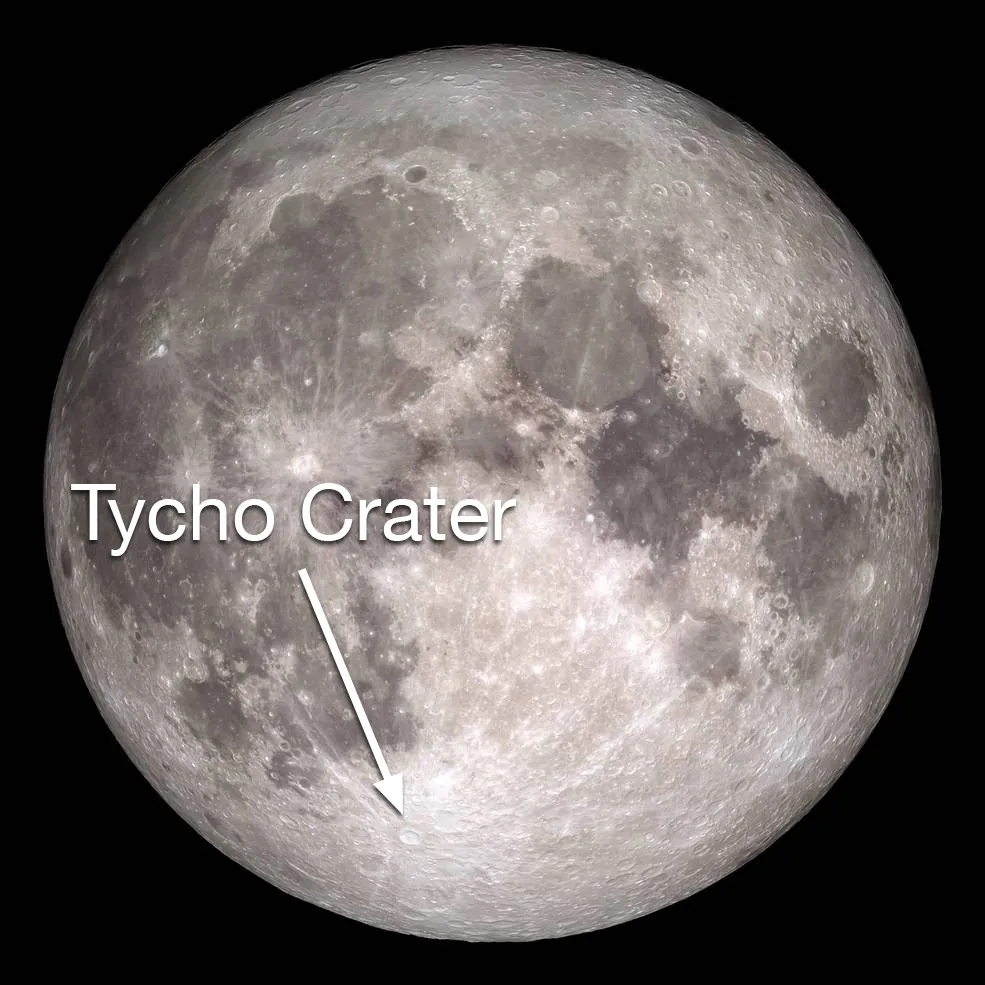
But a new king in Denmark forced Tycho to leave Ven in 1597, and he went to work in Prague as the official astronomer for the Holy Roman Emperor, where he engaged his correspondent Kepler as his assistant. But Tycho died in Prague in 1601, whereupon Kepler acquired Tycho’s writings; and Kepler later used Tycho’s observations of Mars — the best ever made before the telescope — to establish the elliptical orbits of the planets around the sun. Kepler credited Tycho with many key ideas; and Tycho’s name is now given to one of the most prominent craters on the moon.
 The Somnium Project
Leave a comment